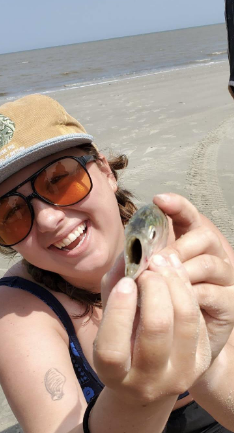
About Emma
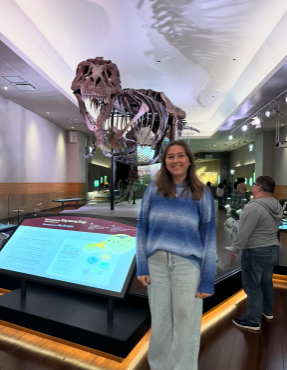
Emma was born in Pensacola, FL but later moved back with her parents to their home town Valdosta, GA. She spent her time growing up with her cousins right across the street. They spent their time going on adventures to explore the woods in the backyard. They also spent many weekend trips with their grandparents going to the Flint River Aquarium in Albany, GA where Emma first gained her love for the natural world. In her later years, Emma learned she actually enjoyed learning about biological processes and animal taxonomy from taking AP Biology and Zoology in high school. Those classes lead her to pick ecology to be her major at Augusta University. During her first year she fell in love with learning and thrived in college life.
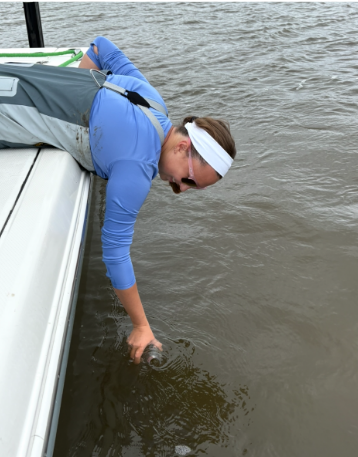
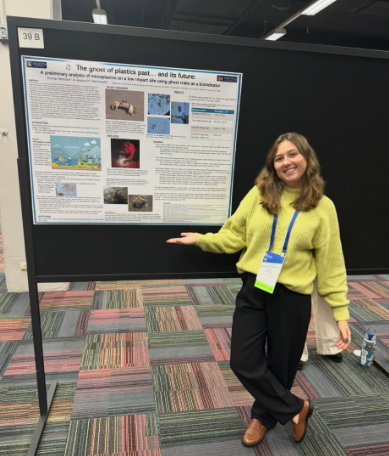
After her first year she had been asked to apply to be a teacher`s assistant for an introductory biology course, and had found herself volunteering time in an on campus aquarium. Emma`s research was varied but consistent in that she was always studying water quality and/or CECs. Her first independent project was investigating the prevalence of microplastics, specifically microfibers in ghost crab populations along the Georgia coast. This idea came from taking a marine pollutants course (her favorite class) as well as participating in a long term study on fish biodiversity on St. Catherine`s Island. Emma then ended her undergraduate career helping to build low cost water quality sensors in a joint project with Augusta University`s physics department and the City of Augusta Utilities department.
Projects and experiences like that are what pushed her to want to pursue a career in research as well as teaching. To ensure she was well prepared for graduate school Emma applied and was accepted to an NSF funded post-baccularette program known as the RaMP program at Georgia Southern University. This is where she currently is in her journey and she couldn`t be happier to be gaining more research experience as well as professional advice from the many people around her. Her goal is still to go to graduate school and hopefully to study how particular CECs or climate change is affecting populations of coastal ecosystems.